

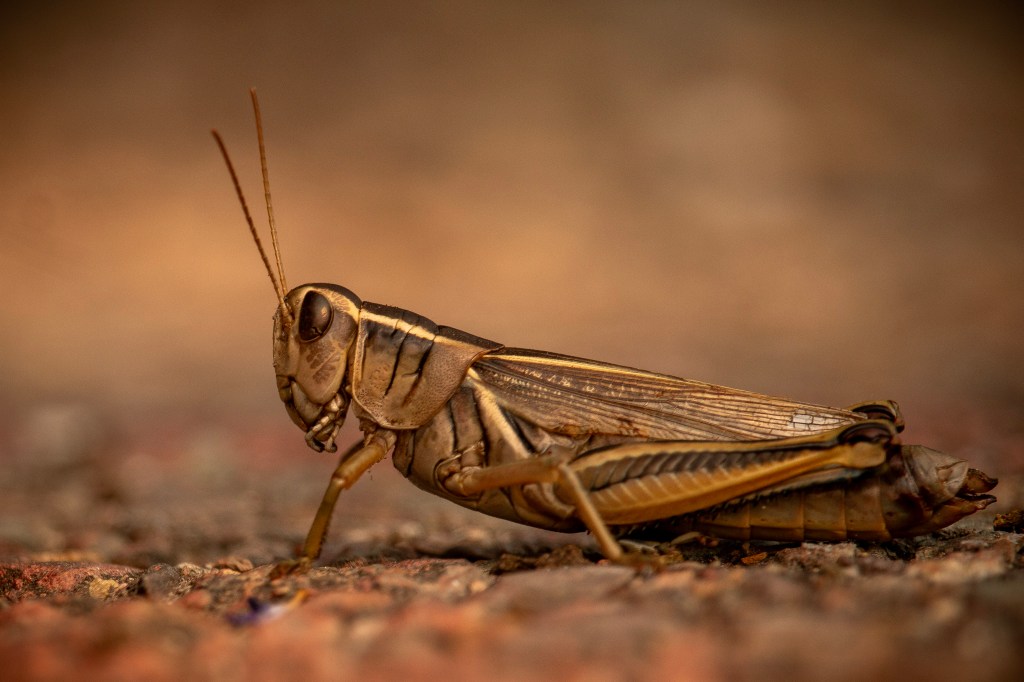
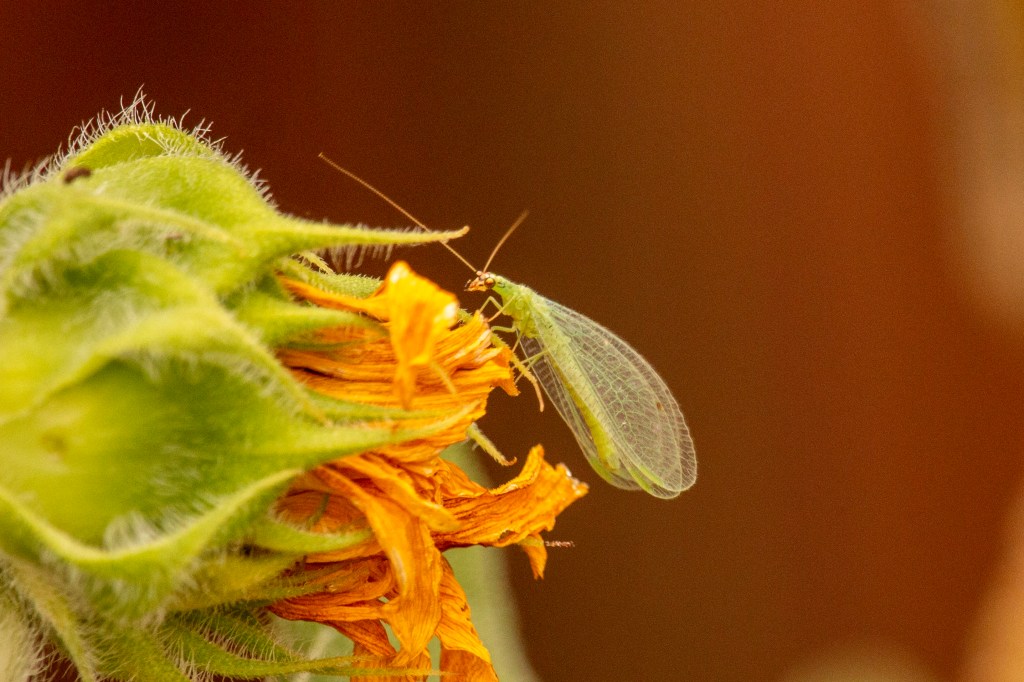


Arthropods make up roughly 80% of the world’s animal species. There are 1,400,000,000 (1.4 billion) arthropods for every person – meaning there are ten quintillion arthropods on Earth RIGHT NOW. What?! Arthropods are everywhere. They are the gears of the planet, the head phylum, the creatures who run our world. Unfortunately, many of us fear them. Arthropods are different. They have too many eyes and too many legs. Our distrust of the different and unusual misleads us into fearing the arthropods who share the planet with us. We must resist the smushing and squishing happening in our everyday lives because without arthropods the planet would die. These creatures are essential for biodiversity and balanced ecosystems because they pollinate, control populations of other bugs, and provide food for others.

Before I try convincing you to pause before stomping on the next hobo spider skittering across the kitchen floor, I want to tell you a fact I found surprising. Did you know a few centuries ago in Europe, butterflies were feared?! German communities called them molkenstehlers, believing them to be witches in disguise. Compare their fear to the global attitude around these critters nowadays and our fear of spiders today. It is likely spider museums will be a popular stop in the next 500 years. On the other hand, our first creepy crawly is one you are likely to try and avoid.

“Those wingers with the stingers, we don’t like them very much.”
Mark Brown, Wings on things
Bees are stuck in the middle of our buggy fear: we see them as a sign of summer and honey but dread being stung. Without bees as a major pollinator (they pollinate 80% of flowering plants), all flora and fauna would die. Pollinating bees ensure plant reproduction and plants are extremely important. Think of the dinosaurs – after plants died out in the aftermath of the famous asteroid which partially destroyed the world, the plant-eaters died, and then the meat-eaters died. As creatures at the top of the food chain, it can be difficult to process how much we depend on the bees. What would happen if the bees vanished? Would our fate be the same as the dinosaurs? Scientists and Indigenous communities alike will offer the same warning and message. PAY ATTENTION TO THE BEES!! Bees are important, more than you could possibly imagine. They pollinate plants that produce watermelons, almonds, peppers, and apples. What a sad morning it would be if coffee plants stopped being pollinated! If this paragraph inspires pro-bee feelings, here are a few ways to help out our buzzing neighbors. Start by planting pollinator-friendly flowers in your garden or participating in No Mow May – a month during which people stop mowing to protect bee species emerging from their underground hibernation. If you want a more hands-on project, try building a bee house. I hope their stingers don’t dissuade you, for bees only use them for defense. If this paragraph brings discomfort, you probably aren’t going to enjoy the arthropod coming up next.

Spiders are not a popular arthropod. Three to fifteen percent of the global population has arachnophobia, a noticeable fear of spiders. As arachnids, spider anatomy includes eight legs and often as many eyes. If you ask me, two of each is enough. Two major factors in our fear of spiders are their venomous nature and lightning-fast reflexes. Filmmakers use our fear to their advantage, using massive, man-eating spiders such as Harry Potter’s Aragog and the Lord of the Rings’s Shelob. However, not all cultures fear spiders. In fact, the Zuni, Hopi, Keres and other Indigenous people of North America honor the wise creator Spider Grandmother. Likewise, spiders are seen as clever and tricky in many tales, such as the Anansi of West Africa. The point is, although a majority of US citizens would rather not interact with them, spiders are valued in many places and cultures. No matter where you live in the world, spiders play a vital role in the management of insect population, eating up to 10% of their body weight in prey. By catching bugs in your house, spiders slow the spread of bug-born diseases and infections. Perhaps all your house spider wants is someone who isn’t going to crush them at a moment’s notice. Instead of killing them, consider trapping the spider in a jar and moving it outdoors. On the subject of crushing, you have probably squished the arthropod coming up next.

We have little room in our hearts for these bloodsucking insects, but birds and bats find mosquitoes a delicacy. The average bat is estimated to consume anywhere from one hundred to one thousand mosquitoes in a night! This is rivaled by a Barn Swallow’s daily consumption of at least eight hundred and fifty of these insects a day. Ariel snacks aside, how do these unpleasant arthropods affect us? Right out of the gates, you should know their bloodthirsty reputation is true only to female mosquitoes, in fact, males are important pollinators to orchids and other plants. Moreover, mosquitoes connect aquatic and terrestrial ecosystems, carrying their biomass from the water they grew up in to the land/air they inhabit as adults. Another result of the mosquito’s benefit can be seen in the Arctic tundra. The fear of these arthropods can divert Caribou migration, causing the herds to travel into the wind, thus preventing vegetation from being eaten or trampled. Despite the fact most of us will never stop squishing them, bear in mind their ecological influence, for these critters are as essential to a healthy ecosystem as butterflies, bees, and spiders.
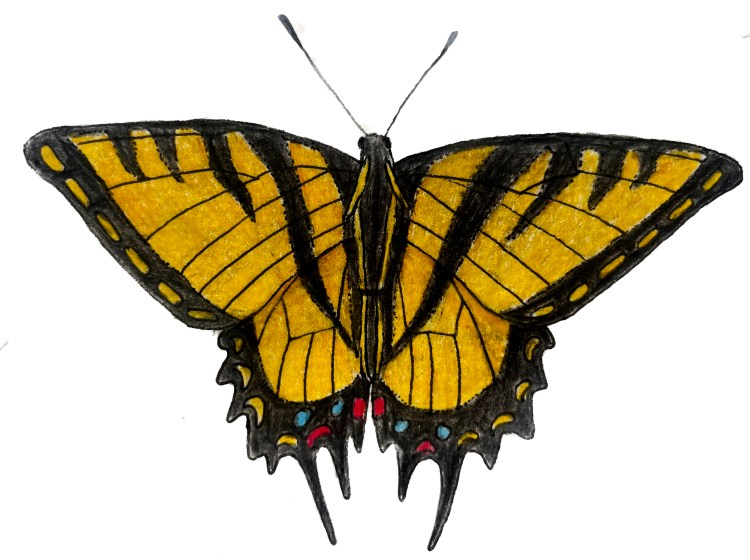
If you want to interact with arthropods more in your daily life, here are eight prompts to help.
- Say good morning to the butterflies.
- Compliment the bees on their pollinating skills.
- Lead an animated conversation with a beetle.
- Take the spider outside in a jar instead of vacuuming it up or killing it.
- Congratulate the rolly-pollies on finding safety on your property.
- Wish the dragonfly good luck on finding its next snack.
- Tell the ladybug how grateful you are they eat all the aphids.
- Politely ask the wasp to leave your turkey sandwich alone.
There you have it! Earth’s most unpleasant creatures put into a good light. No more of this “awful arthropods” nonsense! These creatures are vital to a healthy and diverse planet. By protecting the spiders, cockroaches, mosquitoes, and wasps, we protect the wellbeing and balance around us. If spiders perished, imagine the amount of bugs which would swarm the earth. Population control at its best. The same goes for bees, butterflies, and mosquitoes. Where would we be if pollinators disappeared? How many food webs would collapse if the arthropods vanished? POOF. Protect the arthropods and we protect our home.


What a great article about some of my favorite arthropods! I have to thank you and Lucy for helping me become more of my antics around bugs and becoming more sensitive and empathetic when seeing them in my house and yard. Your photos of these important bugs that keep our planet earth alive are incredible! Missing you from Alaska! Love you Dottie!
LikeLike