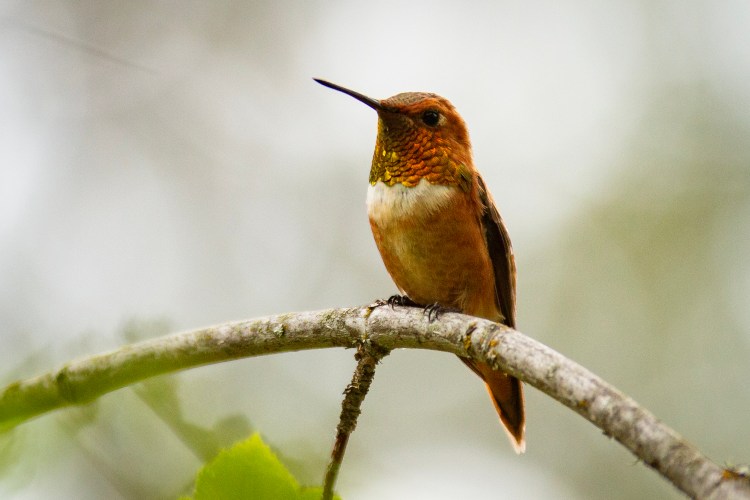
A few weeks ago, my interest in hummingbirds exploded. Once I got into birds, hummingbirds quickly zoomed to my top three favorite birds. One of my first gifts when my birding passion began was a bird book and a bright red, 32 ounce hummingbird feeder from Jeff, Heather, Sage, and Jade. The feeder remains hanging to this day at our cabin and is one of my favorite gifts. Since my renewed passion for hummingbirds, I observed countless new behaviors and began to appreciate the female’s resilience. I mean, those males are so defensive! I often spend an hour photographing hummingbirds – a routine which has become one of my favorites.
I enjoy being surrounded by tough little creatures masked by a delicate outline. After a week of sitting in a chair by the feeder, I switched to standing on a stump about three feet tall. The stump is helpful because I can be on the same eye-level as the hummingbirds, something which is really important in photography. From the stump, I can see the rosy red feeder, the occasional glimpse of Rock Creek, and most importantly, hummingbirds, and I experience the terrifying speed at which hummingbirds travel. Therefore some would not claim my hobby is a relaxing one.
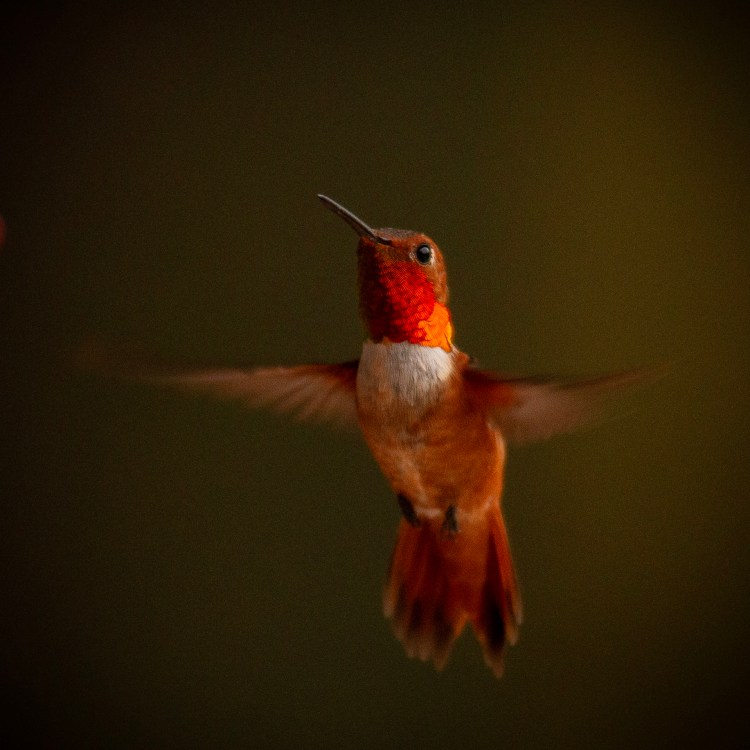
Takeaways From My Time Spent Photographing Hummingbirds
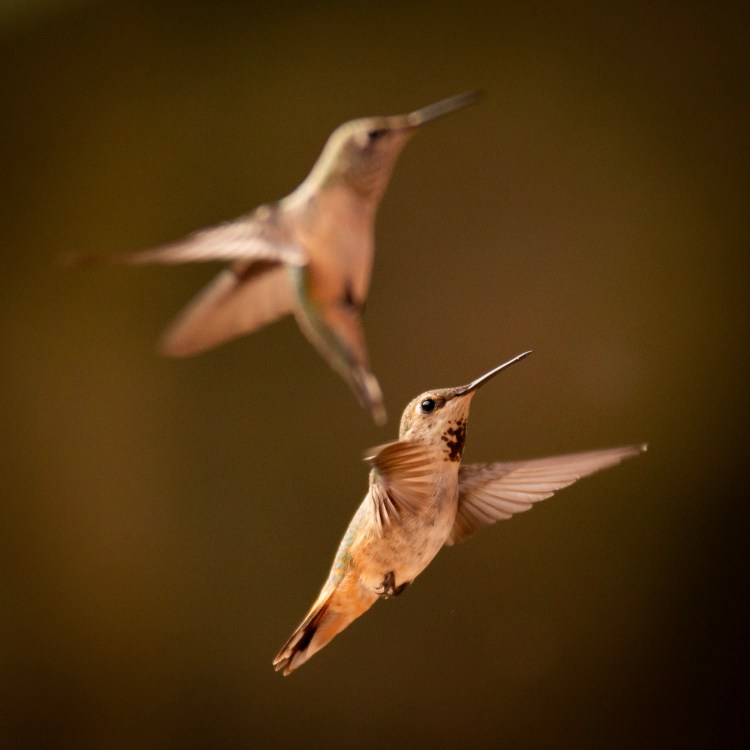
- Male hummingbirds are RUDE!! – They are always chasing all the other hummingbirds away and then nobody else comes over.
- Hummingbirds are very skittish. – They will come zooming in and then you have to move like a sloth because if you move super fast it will scare them away. Personally, I like doing things at 50 miles per hour but for some reason I can’t help going slow when photographing hummingbirds!
- Patience rules in hummingbird photography – Unfortunately, don’t expect to just plop down a feeder and bam amazing photos. Patience and persistence will reward you best of all. If you get bored because they are too fast, try making up names for each one or counting how many hummers you think there are. I get distracted super fast so I have turned the situation into a game, mostly along the lines of: how many hummingbirds can sneak a drink before the male finds out. The average answer? 0.
Feeding Hummingbirds: Tips and How-to’s
Excluding my camera, a feeder is my most essential tool in hummingbird photography. If I didn’t have a feeder, hummingbirds would be hard to come by! Thankfully, I don’t have to worry about the hummingbirds leaving after a week without food (we usually only are up Rock Creek for a night or two) because there are at least five feeders regularly up around the neighborhood. There are three things to consider when putting out the hummingbird feeder: which one to get, where to place it, and how to make nectar.
Imagine you are standing in front of the bird feeder section staring at all the different choices. How on earth are you going to choose?! First, take into account how many hummers you want and how much food you plan on providing. Then, take a look at the material. If you live in a house where things get broken easily, maybe don’t pick the one made from glass! If plastic makes you sad, I am sorry – they don’t make wooden ones. I prefer the feeders made by Daisy First Nature, particularly the bright red, 32 ounce plastic one.

Now where to put it! For the best results, hang it near a window so you can view it all the time. I find hummingbirds tend to hang out when they have a place to perch and/or shelter nearby (such as bushes, wires, and fencing). If you have a pet, I would also recommend placing the feeder out of their reach. Coming from someone who has consumed hummingbird nectar, I must say it is very delicious and I wouldn’t be surprised if a pet thought so too. I don’t want to talk about bears in every single one of my posts but it’s worth noting they like nectar as well.
Finally, let’s talk about the food! Before we get started, I would like to note that although it seems harmless, do not put dyes into your nectar! It is not healthy for the hummingbirds! Excellent – now we got that over with, here’s how to make two cups of hummingbird nectar.
- Bring two cups of water to a boil.
- Add ½ cup of non-organic granulated sugar and mix until dissolved.
Important Note: organic, powdered, raw, unprocessed, or other sugars can be harmful to hummingbirds. Do not use syrup or honey either.
- Let cool for a few minutes before pouring into the feeder.
Please remember to change out your hummingbird food every week or less because it ferments.


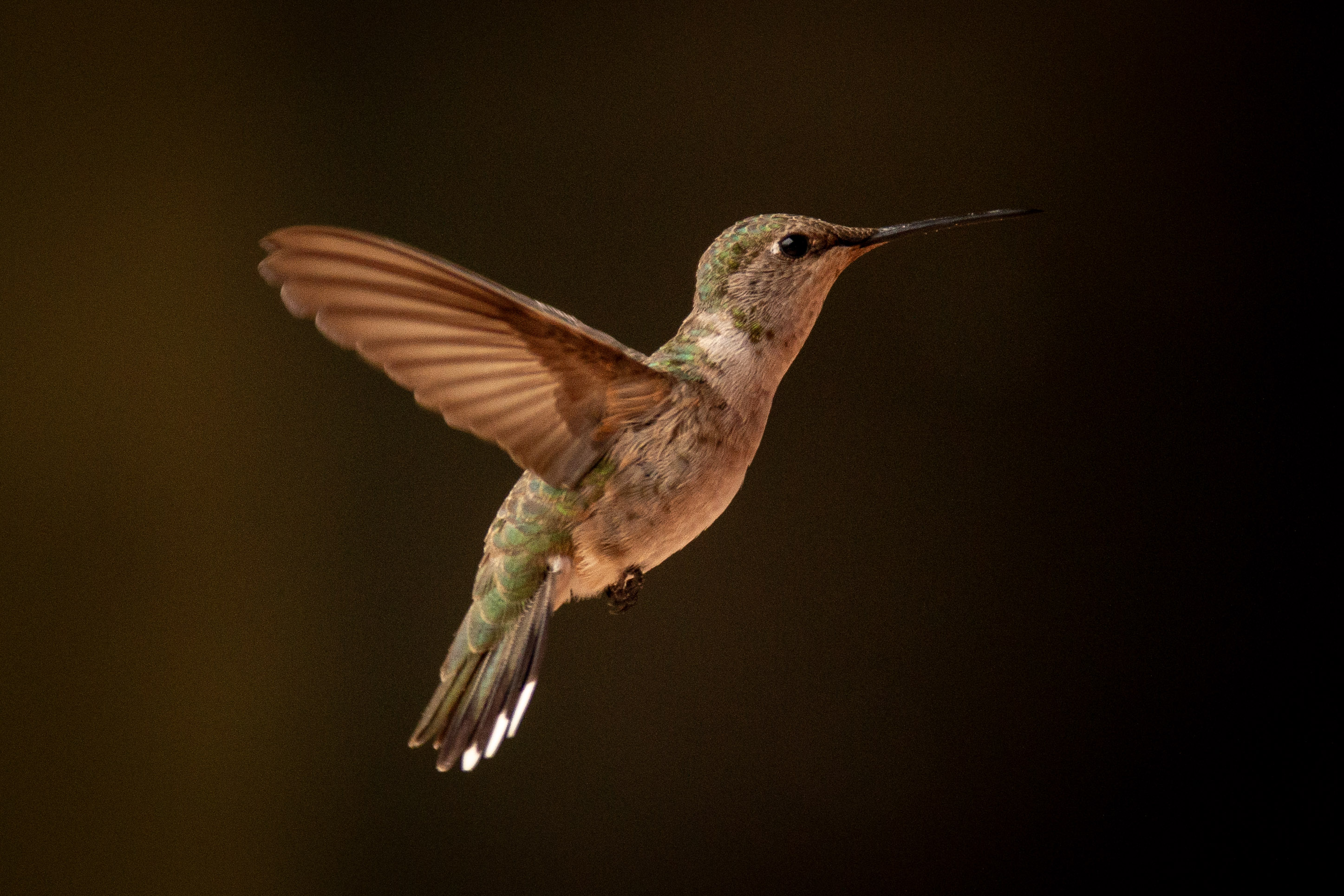
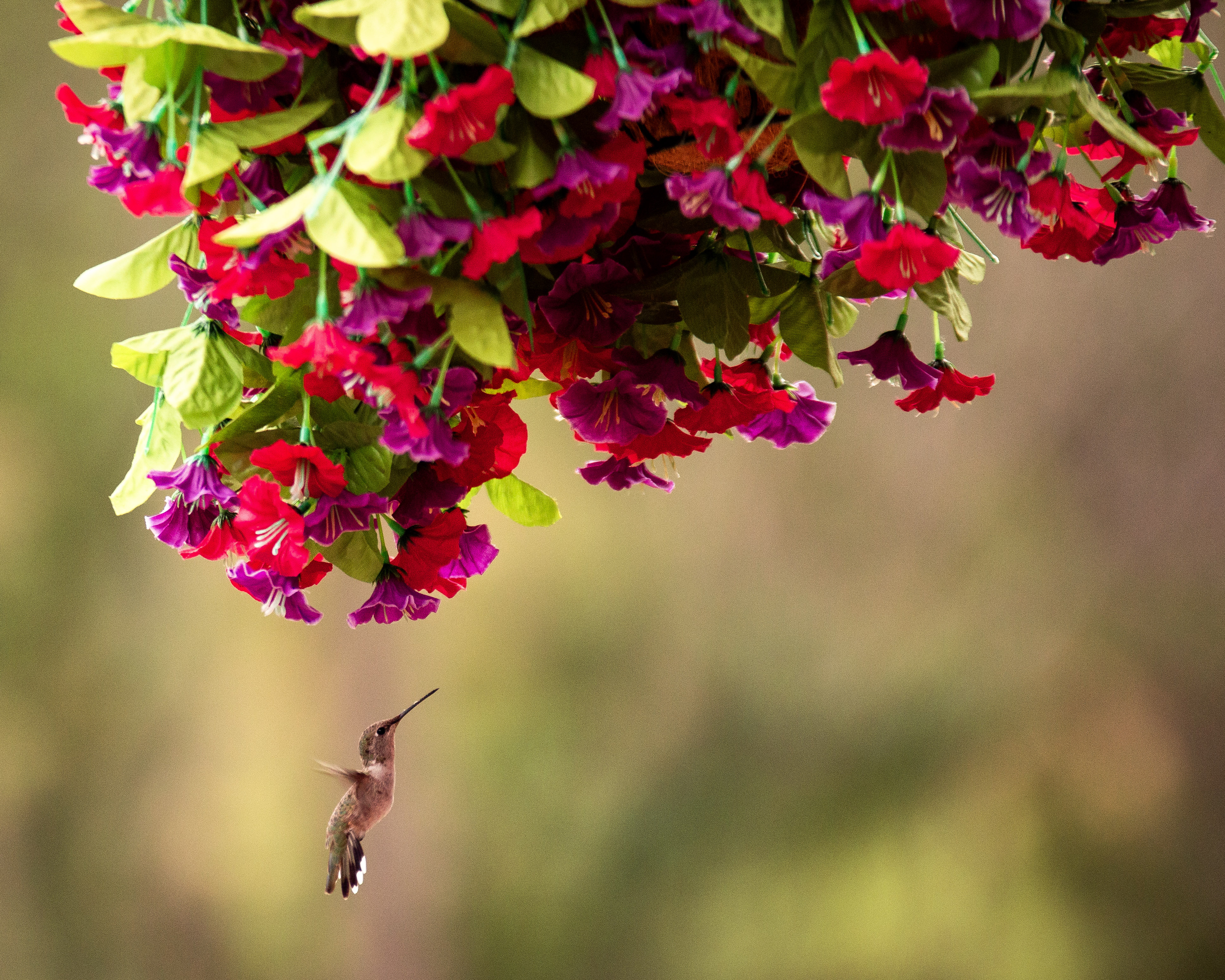
I hope observing these stunning creatures brings just as much joy and excitement into your life as it does to mine!
 Missoula Bird Nerds
Dottie, I have been following you since before you had your website. I was introduced to you while watching the Missoula Osprey, Iris and Stanley, on the Web. It was you and Dr. Greene together. I am amazed at how you have stayed so deeply involved with birding. Your abilities from drawings to photography continues to progress. The details and your humor make for fun reading of the narrative in each posting. You, your family and anyone in your circle of contact should be proud of you.
Continue to be amazed each day. Never be satisfied with what you know. Ask questions of others. And share your knowledge, too. I believe you will do great things in life.
LikeLike
Dear Jeffery.
Thank you so much for the compliment, it means a lot. Your feedback made me very happy. I am so glad that you have enjoyed my posts. Erick is an amazing friend and hanging out with him is always a joy. I will continue to enjoy posting and telling stories and sharing my media.
Dottie
LikeLike
Great shots! And thanks for the recipe – as I recall very similar to Amy Tan’s Backyard Bird Chronicles.
LikeLike
Wow! I can’t believe you get enough hummingbirds to drink 2 cups! Usually I do a 1/2 cup to 1 cup. Also, I don’t usually boil mine, I just stir it in and let it dissolve (It takes about 2 minutes) The solution for smaller amount 1 part sugar to 4 parts water, for anyone wanting to make a smaller portion. (No matter what anything says, 1:3 is to much sugar for the little hummers)
LikeLike
Gre
LikeLike