In Search of The Long-eared Owl
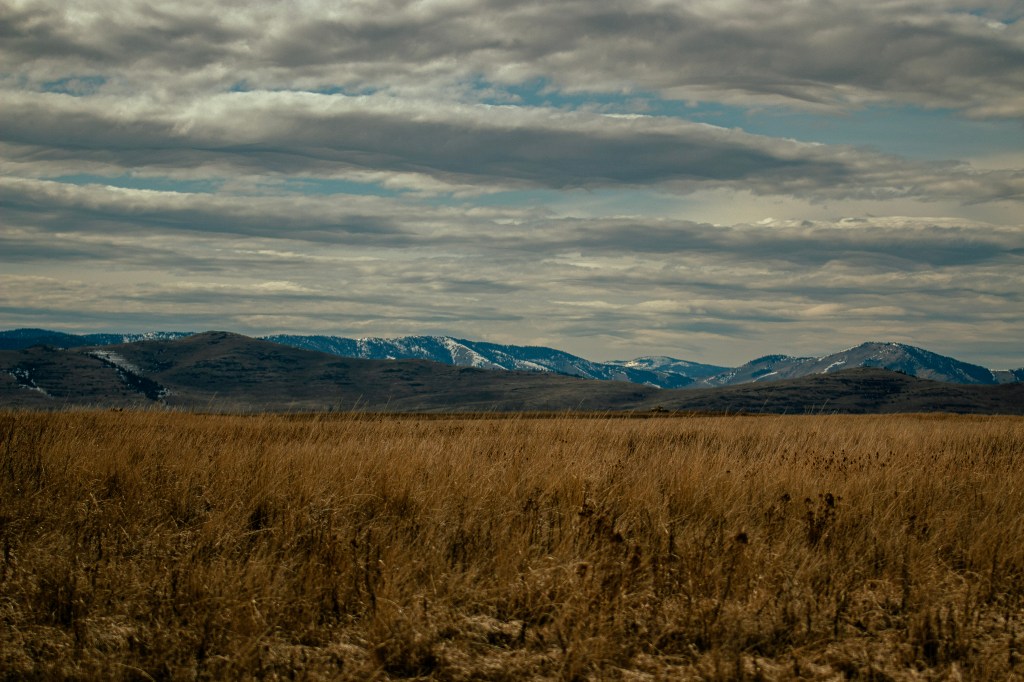
Birding can require a lot of persistence, as I have learned over many years of observing and exploring. However, owls make it even harder, and the Long-eared Owl pushes it to the limit. They are mostly nocturnal and can somewhat change the shape of their body. They also have this really annoying habit of living in the most impenetrable trees and bushes. They are there, but you just can’t see them!! So finding one is hard, as I have learned after three years of searching for Montana’s most elusive owls.
Two years ago, my family and I drove to the Ninepipes National Wildlife Refuge/Wildlife Management Area for my birthday. A fellow birder and photographer told us that Long-eared Owls, a species of bird I had yet to see, frequented the area’s windbreaks. I was thrilled that someone gave us a specific location so we could try and find this owl. On top of that, the owl in question is almost impossible to find, because of its habit to roost in the densest shrubs and trees. However, my excitement was dampened when we arrived, for a simple safety item had been forgotten. Bear spray. Bears roam Mission Valley and March is the perfect time for them to wake from a winter slumber. Hungry and potentially aggressive, not having the appropriate safety items could be a dangerous mistake. I had been anticipating the walk, but being prepared is crucial – and we were not. So we didn’t come back until just a few weeks ago, in the first days of March.

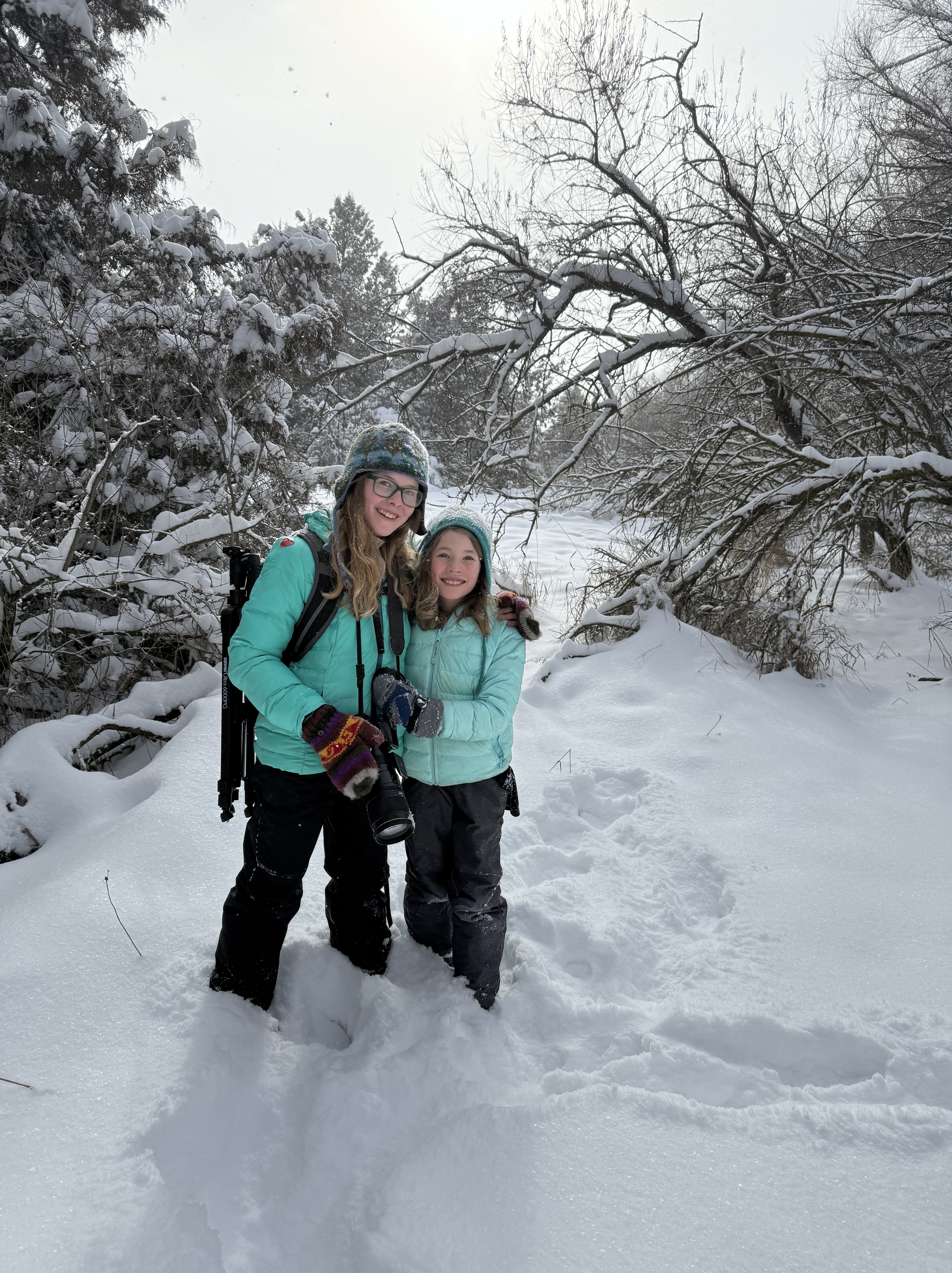
Two years later, with bear spray in hand, Papa, Lucy and I journeyed to Charlo and arrived at Ninepipes, where a heavy fog obscured the surrounding landscape. Snow blanketed the fields and made for tough walking. Once we had reached the windbreak, a barricade of willow shrubs prevented further encroachment. Research shows that Long-eared Owls prefer the thickest habitat to roost in, so exploring the thickets seemed like the smartest option. As we had expected, the willows were dense, but they were a little too dense. We couldn’t get through. Looping back to the road, we entered the windbreak and found ourselves in a grove of junipers. Upon exploring the grove, I watched as a massive Great-horned Owl burst out of the trees and flew down, swooping away into the cottonwood trees. We continued to search, with no luck, but repeatedly spooked a pair of Great-horned Owls. After an hour of unsuccessful searching, we headed home. I wasn’t that disappointed. I mean, sure, we didn’t find what we were looking for, but that is how a lot of birding is, especially owls. Plus, we got to bird a new place and we saw some owls, even if they were a different kind. Most of all, as Matshona Dhilwayo said, “A bird does not give up flying because it failed on its first attempt.”
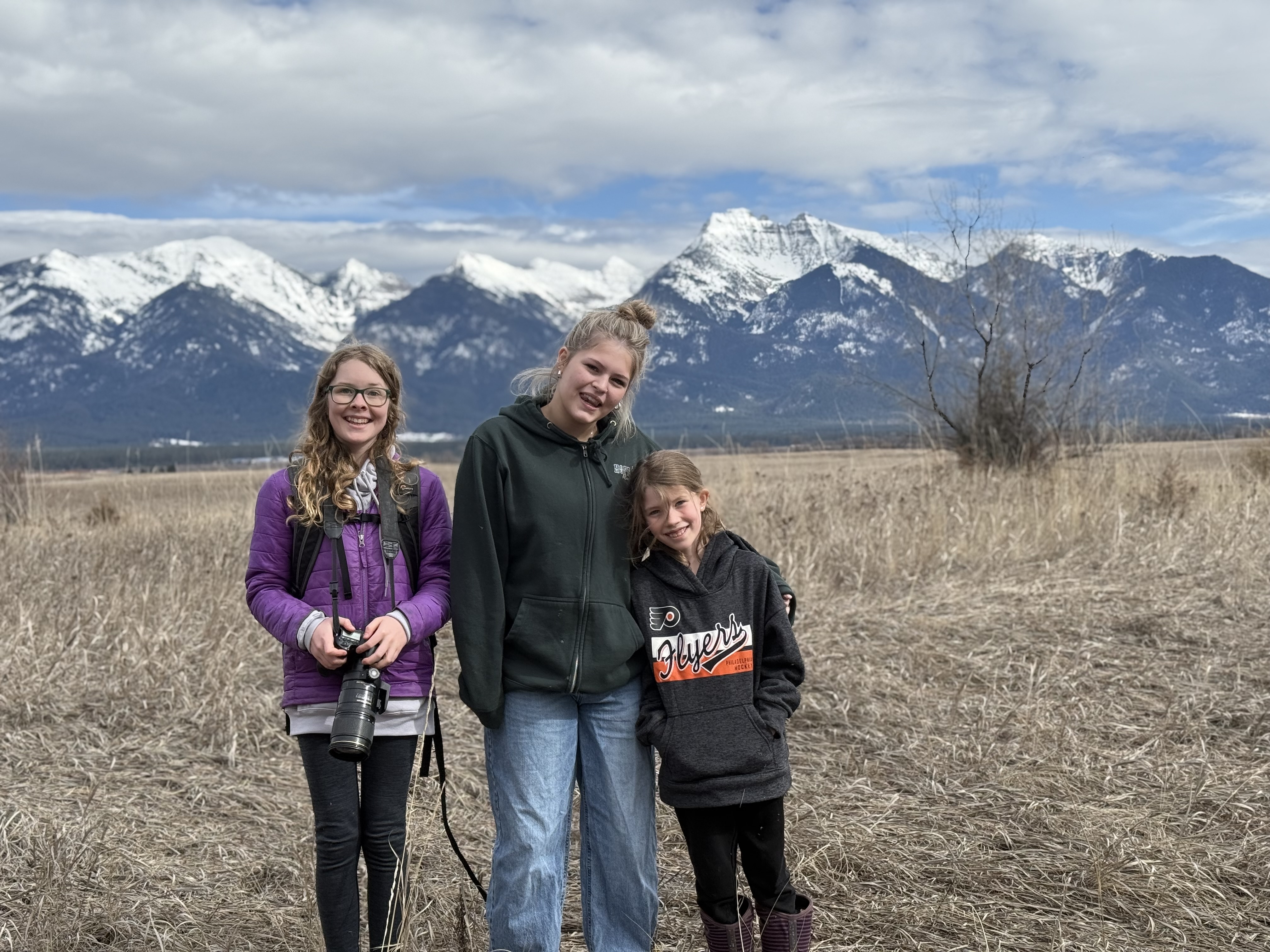

After a week of studying, we headed out again, this time accompanied by our cousin Autumn. We entered the grove and I whispered, “wait for it…”. Sure enough, a large Great-horned Owl flew out and disappeared into the cottonwood stands. I knew where I was going, straight along the heavily used deer trail. I stopped every now and then because I didn’t have the bear spray and I did not want to stray too far from the group, just in case. Suddenly, a pheasant crowed from a thicket while a different one flew from a juniper grove, in the thundering, heart-stopping way all game birds do. A few minutes later, Papa spotted another (or maybe it was the same) Great-horned, which promptly fell out of the tree it was roosting in and flapped away. Every now and then, an owl would fly off a quarter mile away. Moving deeper into the windbreak, Lucy bent over, picking something up off the ground. “It’s a pellet!” she exclaimed, holding out a tiny mass of fur and bones. Sure enough, Lucy found a key sign of owls and we knew that we were getting close.

I short-cutted through the willows and began to examine the surrounding junipers, looking for anything that might be an owl. Only minutes into our search, an owl hooted somewhere nearby and we all split up, looking for the source of the haunting calls. Soon after, a massive Great-horned Owl revealed itself inside a thick juniper. I walked around for a better view and watched in amazement as he/she walked out on a branch right in front of me. Its large yellow eyes scanned us, a group of curious humans, before it settled down and began to call. After watching it for a few minutes, we continued on our search for a Long-eared Owl. I wandered off and not seconds later Papa watched an owl fly out of a nearby juniper, sweeping down into the dense thicket of willow shrubs. I rushed over only to watch the owl fly deeper into the trees. There was no way I could find it now. So again, I wandered off and again Papa found an owl.
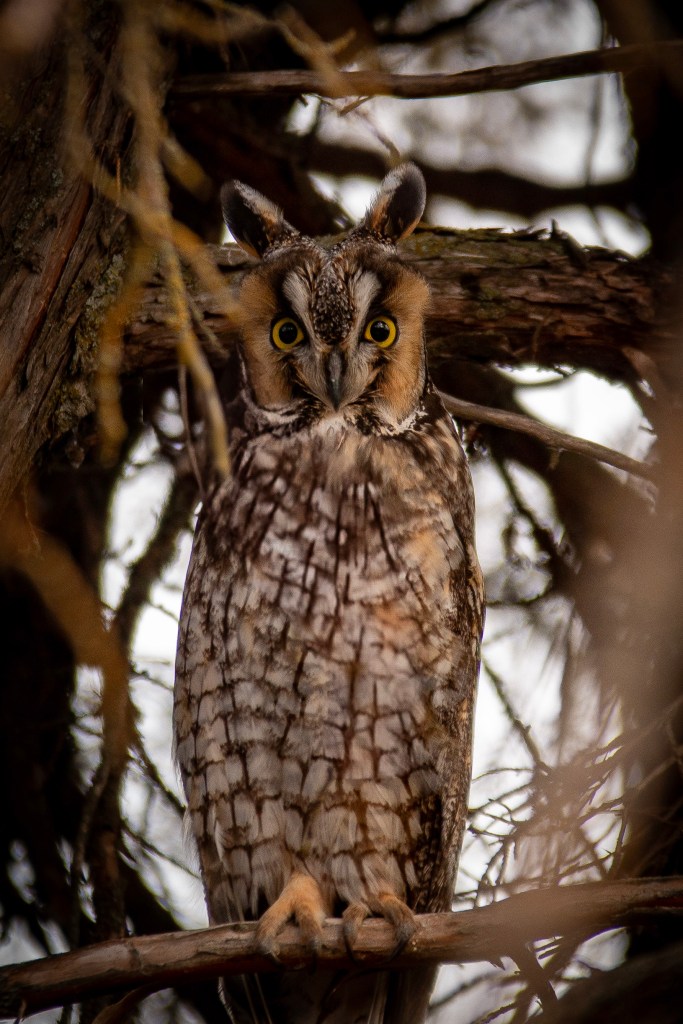
He confirmed it was the real deal – yes, we found a Long-eared Owl! I snuck over and asked where it was for I couldn’t see whatever he was pointing at. Then I saw it, the silhouette of a Long-eared Owl, tucked up against the bristly trunk of a juniper. Circling around to the other side, I took in the tall tufts of feathers on top of its head which, combined with the owl’s yellow eyes, gave it a look of permanent surprise. About a fifth of the size of the Great-horned Owl, the Long-eared Owl was squeezed into a camouflage posture, at most only 4 inches across. Finally, deciding we could see it, the owl took off in the direction of its buddy.
Birding can be a challenge. It’s the truth. Whether you are searching for owls amongst tall trees or trying to spot birds over the open ocean, sometimes you don’t get it right on the first try. And that is true with a lot of things, be it cooking or photography. This is a story of perseverance and how to keep going.
 Missoula Bird Nerds
Yay! I am so excited that you found the long eared owl! I love the pictures and your story about perseverance when birding!! Love you!!
LikeLike